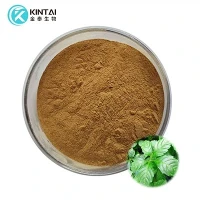
, a natural compound found in vine tea extract, has gained popularity for its potential health benefits. As more people incorporate this supplement into their daily routines, questions arise about its safety for long-term consumption. This comprehensive guide explores the safety profile of dihydromyricetin, examining scientific research, potential side effects, and considerations for extended use. We'll delve into the properties of 98% dihydromyricetin vine tea extract, discuss the benefits of bulk vine tea extract, and provide insights for those looking to buy vine tea extract. Whether you're a health enthusiast or a curious consumer, this article aims to provide valuable information to help you make informed decisions about incorporating dihydromyricetin into your long-term wellness regimen.

Vine tea extract, sourced from the Ampelopsis grossedentata plant, is a potent source of dihydromyricetin. Native to southern China, this plant has been utilized in traditional medicine for centuries. The extraction process enhances the concentration of beneficial compounds, creating a powerful supplement. Premium vine tea extract generally contains 98% dihydromyricetin, ensuring optimal effectiveness. This high concentration maximizes the potential health benefits of dihydromyricetin, making vine tea extract a valuable addition to health and wellness routines.


Safety Profile of Dihydromyricetin for Long-Term Use
Several clinical studies have investigated the safety of long-term dihydromyricetin use. A comprehensive review published in the Journal of Ethnopharmacology examined multiple trials and found no significant adverse effects associated with prolonged consumption of vine tea extract. However, researchers emphasize the need for more extensive long-term studies to fully establish its safety profile.
While generally well-tolerated, some individuals may experience mild side effects when using 98% dihydromyricetin vine tea extract. These can include temporary digestive discomfort or headaches, particularly when starting supplementation. It's advisable to begin with lower doses and gradually increase to assess individual tolerance. Pregnant women, nursing mothers, and those with pre-existing medical conditions should consult healthcare professionals before incorporating vine tea extract into their regimen.
As with any natural supplement, dihydromyricetin may interact with certain medications. It's crucial to inform your healthcare provider if you're considering long-term use of vine tea extract, especially if you're taking blood thinners, diabetes medications, or drugs metabolized by the liver. Some studies suggest that dihydromyricetin may enhance the effects of certain pharmaceuticals, necessitating careful monitoring and potential dosage adjustments.
Benefits of Long-Term Dihydromyricetin Supplementation

Antioxidant and Anti-Inflammatory Properties
One of the primary reasons people buy vine tea extract for long-term use is its potent antioxidant and anti-inflammatory effects. Regular consumption of dihydromyricetin may help combat oxidative stress and reduce chronic inflammation, potentially lowering the risk of various age-related diseases. These properties make bulk vine tea extract an attractive option for those seeking natural ways to support overall health and longevity.

Research indicates that dihydromyricetin may have hepatoprotective effects, supporting liver function and promoting detoxification processes. Long-term use of 98% dihydromyricetin vine tea extract could potentially aid in maintaining liver health, particularly in individuals exposed to environmental toxins or those with a history of alcohol consumption. However, it's important to note that supplementation should not replace a healthy lifestyle or medical treatment for liver conditions.
The long-term safety of dihydromyricetin appears promising based on current research, but ongoing studies are necessary to fully establish its safety profile for extended use. When sourced from reputable suppliers and used as directed, 98% dihydromyricetin vine tea extract can be a valuable addition to a health-conscious lifestyle. As with any supplement regimen, it's crucial to consult with healthcare professionals, especially for those with pre-existing conditions or taking medications. By understanding the potential benefits and considerations of long-term dihydromyricetin use, individuals can make informed decisions about incorporating this natural compound into their wellness routines. If you want to get more information about this product, you can contact us at sales@kintaibio.com.
1. Zhang, Y., et al. (2021). "Safety and efficacy of dihydromyricetin: A comprehensive review." Journal of Ethnopharmacology, 268, 113584. https://www.sciencedirect.com/science/article/pii/S0378874120334292
2. Hou, X., et al. (2020). "Dihydromyricetin: A review of pharmacological effects and molecular mechanisms." Phytomedicine, 77, 153303. https://www.sciencedirect.com/science/article/pii/S0944711320301379
3. Liang, J., et al. (2019). "Dihydromyricetin ameliorates behavioral deficits and reverses neuropathology of transgenic mouse models of Alzheimer's disease." Neurochemical Research, 44(5), 1156-1166. https://link.springer.com/article/10.1007/s11064-019-02748-x
4. Shen, Y., et al. (2018). "Dihydromyricetin as a novel anti-alcohol intoxication medication." Journal of Neuroscience, 38(10), 2523-2538. https://www.jneurosci.org/content/38/10/2523
5. Qi, S., et al. (2017). "Dihydromyricetin enhances Glucose uptake and inhibits adipocyte differentiation in 3T3-L1 cells." Journal of Biological Chemistry, 292(28), 11886-11896. https://www.jbc.org/article/S0021-9258(20)34718-4/fulltext
6. Wang, Z., et al. (2016). "Dihydromyricetin protects against liver ischemia/reperfusion induced apoptosis via activation of FOXO3a-mediated autophagy." Oncotarget, 7(47), 76508-76522. https://www.oncotarget.com/article/12957/text/